Power as Influence
(completed pages might be rewritten over time)
I saw this dynamic installation during my trip to Israel in the winter of 2023:
It is fun to pull the cord and see the colorful parts move so high above you. This effect is satisfying because it gives you a feeling of power. Your choice (to pull the cord) makes a visible change in something that is so much bigger than you.
The installation in the Garden of Science is an example of power as influence. The rewarding feeling that comes from pulling the cord might seem insignificant and fleeting. It is not some kind of absolute power over the universe. It is not even the kind of influence that a CEO of a big corporation can enjoy. But it is an example of power, nonetheless.
This should make sense in the context of my view that power is not one thing that one can have or lack, but rather a multitude of influences and abilities that are in a constant state of flux.
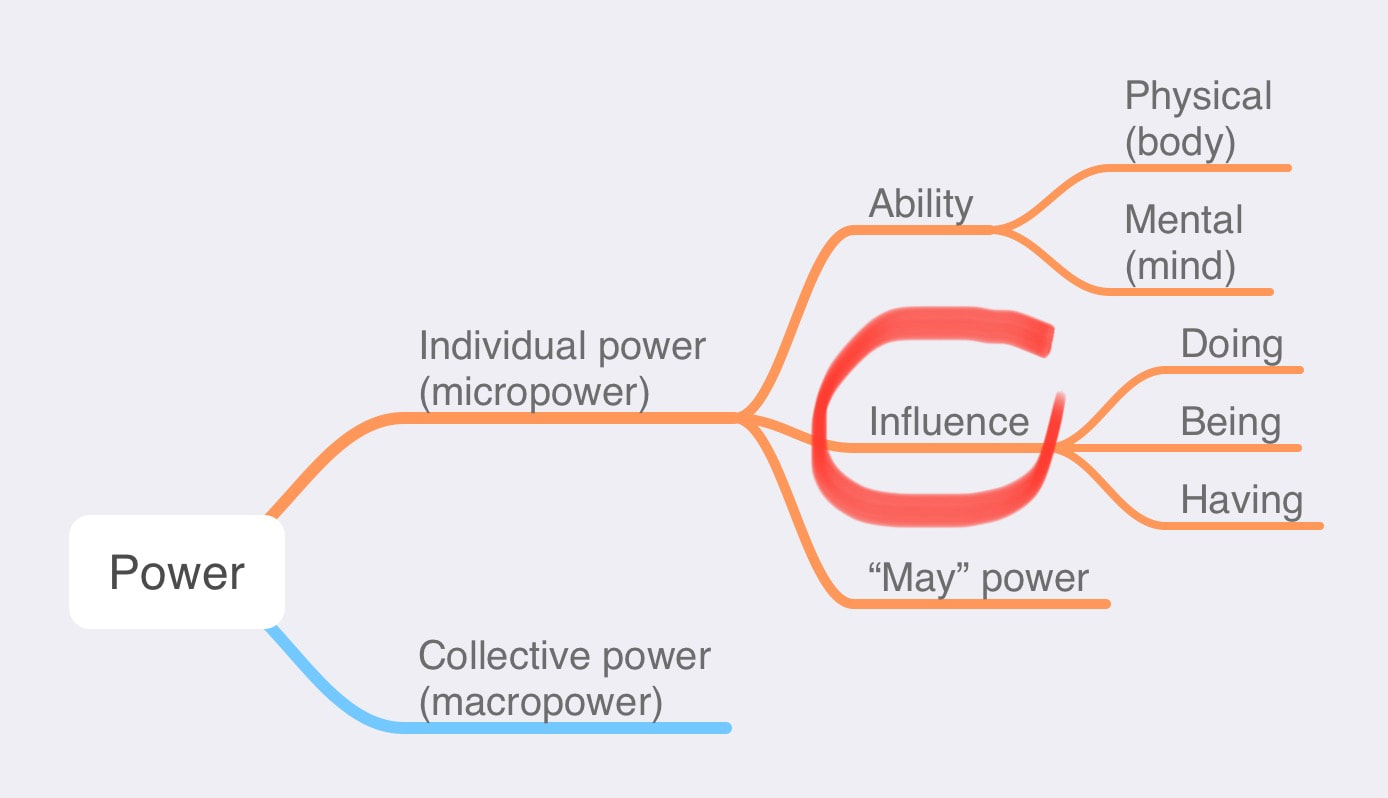
Power as influence and power as ability are two aspects of what I call micropower. Micropower describes what happens in specific relationships between individuals, relationships that we can imagine (unlike macropower, which describes what happens on the global level of society). The division between power as ability and power as influence is artificial (they are often intertwined), but it helps me to conduct my analysis of power, especially as it relates to responsibility and blame.
So why do I need to describe power as influence as separate from power as ability? Power is ability can be imagined as a trait of an individual. It describes the individual, what he/she/they can do (with their body and mind). It is less about how one's power affects other individuals, although "may" power is an exception, existing on the intersection of influence and ability. In contrast, power as influence describes relationships between individuals. It describes how one person's choices affect other people's abilities and actions. Influence is always over somebody. (Words related to influence are "control", "impact", "force", "dominance", and "authority".)
Power as influence has been the main focus of scholarship on power and is the main reason for the interest in power to begin with. This is because power as influence is related to the idea of limited resources, which are central for conversation about injustices and inequalities.
We live in the world of limited resources, both tangible and intangible ones. By definition, one person's ability to tap into a limited resource often means another person's inability to do so because there is just not enough of it. This can be – understandably – seen a problem.
For example, my ability to speak (and be heard) is directly related to somebody else's inability to speak (and be heard), because not everybody can speak (and be heard) at once. In this sense, one person's ability becomes possible through somebody else's inability or can lead to another person's inability to do something.
Tangible resources include objects that we need to satisfy our physical needs. What happens if there is one apple on the table, but two of us who want to eat the apple? One person's ability to eat the apple means the other person's inability to do so.
The installation in the Garden of Science is an example of power as influence. The rewarding feeling that comes from pulling the cord might seem insignificant and fleeting. It is not some kind of absolute power over the universe. It is not even the kind of influence that a CEO of a big corporation can enjoy. But it is an example of power, nonetheless.
This should make sense in the context of my view that power is not one thing that one can have or lack, but rather a multitude of influences and abilities that are in a constant state of flux.
Power as influence and power as ability are two aspects of what I call micropower. Micropower describes what happens in specific relationships between individuals, relationships that we can imagine (unlike macropower, which describes what happens on the global level of society). The division between power as ability and power as influence is artificial (they are often intertwined), but it helps me to conduct my analysis of power, especially as it relates to responsibility and blame.
So why do I need to describe power as influence as separate from power as ability? Power is ability can be imagined as a trait of an individual. It describes the individual, what he/she/they can do (with their body and mind). It is less about how one's power affects other individuals, although "may" power is an exception, existing on the intersection of influence and ability. In contrast, power as influence describes relationships between individuals. It describes how one person's choices affect other people's abilities and actions. Influence is always over somebody. (Words related to influence are "control", "impact", "force", "dominance", and "authority".)
Power as influence has been the main focus of scholarship on power and is the main reason for the interest in power to begin with. This is because power as influence is related to the idea of limited resources, which are central for conversation about injustices and inequalities.
We live in the world of limited resources, both tangible and intangible ones. By definition, one person's ability to tap into a limited resource often means another person's inability to do so because there is just not enough of it. This can be – understandably – seen a problem.
For example, my ability to speak (and be heard) is directly related to somebody else's inability to speak (and be heard), because not everybody can speak (and be heard) at once. In this sense, one person's ability becomes possible through somebody else's inability or can lead to another person's inability to do something.
Tangible resources include objects that we need to satisfy our physical needs. What happens if there is one apple on the table, but two of us who want to eat the apple? One person's ability to eat the apple means the other person's inability to do so.
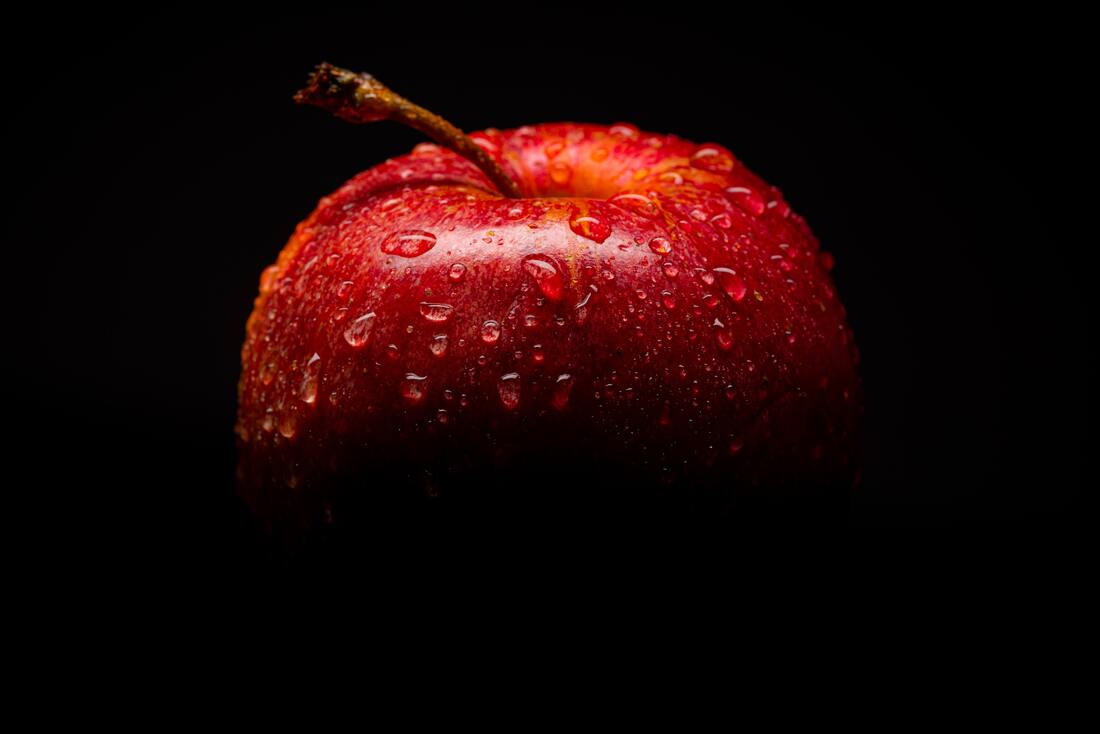
Image credit: Juan C. Palacios
Intangible resources include time and attention. For example, we have only a certain amount of hours tonight to do something together. I want to go to the cinema. You want to go to the restaurant. If we do what I want, my ability to choose will equal your inability to do so.
The environment each person exists in is a combination of tangible and intangible resources that are all limited. In any specific situation, one person can only get her needs fully met if another person does not get her needs fully met. To put it differently, not everybody can be satisfied all the time. We can say that whoever gets their needs met is the one who has the power in this specific situation.
Another way to explain the relation of power to limited resources is that all things cannot happen at once at the same time. Objects exist in space in one specific way in each specific moment. Each moment, my actions determine that some things will exist in a certain way rather than another. For example, in the video from the beginning of this page, whether parts of the installation will move or not, and how they will move, is related to my choices (to pull or not to pull the cord, and how to pull it).
Considering these different types of limited resources, I divide power as influence into the forms I call doing, having, and being.
Some of my influences may seem irrelevant or unimportant; yet, they all matter in the grand scheme of things in ways I may never fully comprehend. My actions inevitably influence other people and also clash with their influences. Understanding how we all influence each other requires tapping into the chaos theory.
Same as with power as ability, understanding power as influence requires discussing intentionality, which I define as a combination of choice and awareness. Using power means making choices that affect others. However, awareness about making a choice does not mean awareness of its consequences. People influence each other in ways that they do not fully comprehend, in part because it is not possible to fully trace impact of individual actions. For example, I make a choice to buy and wear a certain piece of clothing. My intention is probably to look in a certain way. I do not think about how my choice can impact cultural trends or perceptions of gender. However, it does, because if most people of the same gender as me wear similar clothes (e.g., skirts in case of women), my choice reinforces the idea that skirts are appropriate for women.
We can think about power as influence that an individual has on his/her/their environment, including other individuals. At the same time, bigger patterns that explain interactions between groups or people – rather than just between individuals – should also be explored. This exploration is as important as it is prolific. Such major thinkers as Marx, such movements as feminism (and civil rights more broadly), and such scholarly frameworks as critical race theory, are all related to understanding power as influence.
Intangible resources include time and attention. For example, we have only a certain amount of hours tonight to do something together. I want to go to the cinema. You want to go to the restaurant. If we do what I want, my ability to choose will equal your inability to do so.
The environment each person exists in is a combination of tangible and intangible resources that are all limited. In any specific situation, one person can only get her needs fully met if another person does not get her needs fully met. To put it differently, not everybody can be satisfied all the time. We can say that whoever gets their needs met is the one who has the power in this specific situation.
Another way to explain the relation of power to limited resources is that all things cannot happen at once at the same time. Objects exist in space in one specific way in each specific moment. Each moment, my actions determine that some things will exist in a certain way rather than another. For example, in the video from the beginning of this page, whether parts of the installation will move or not, and how they will move, is related to my choices (to pull or not to pull the cord, and how to pull it).
Considering these different types of limited resources, I divide power as influence into the forms I call doing, having, and being.
- Doing: I determine what another person can or cannot do.
- Having: I determine who has something and who does not have it.
- Being: I determine the way things exist.
Some of my influences may seem irrelevant or unimportant; yet, they all matter in the grand scheme of things in ways I may never fully comprehend. My actions inevitably influence other people and also clash with their influences. Understanding how we all influence each other requires tapping into the chaos theory.
Same as with power as ability, understanding power as influence requires discussing intentionality, which I define as a combination of choice and awareness. Using power means making choices that affect others. However, awareness about making a choice does not mean awareness of its consequences. People influence each other in ways that they do not fully comprehend, in part because it is not possible to fully trace impact of individual actions. For example, I make a choice to buy and wear a certain piece of clothing. My intention is probably to look in a certain way. I do not think about how my choice can impact cultural trends or perceptions of gender. However, it does, because if most people of the same gender as me wear similar clothes (e.g., skirts in case of women), my choice reinforces the idea that skirts are appropriate for women.
We can think about power as influence that an individual has on his/her/their environment, including other individuals. At the same time, bigger patterns that explain interactions between groups or people – rather than just between individuals – should also be explored. This exploration is as important as it is prolific. Such major thinkers as Marx, such movements as feminism (and civil rights more broadly), and such scholarly frameworks as critical race theory, are all related to understanding power as influence.